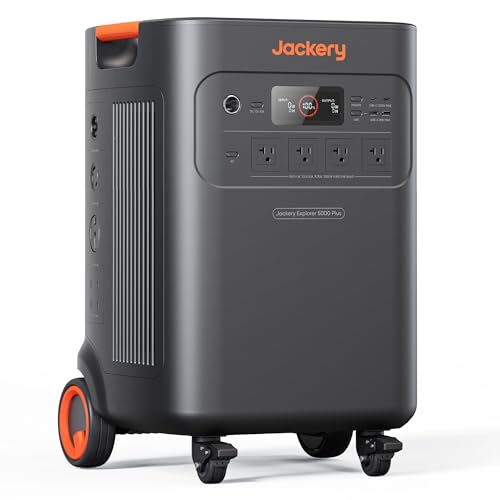
Winter storms bring ice, heavy snow and downed power lines, and outages can last from a few hours to several days. A portable power station is one of the simplest ways to keep the essentials running.
Why a power station, not a generator
A battery power station produces no fumes, so it can be used safely indoors, makes almost no noise and needs no fuel. Gas generators can power more, but they must never be run indoors, in a garage or near windows, because carbon monoxide is deadly. A power station is the safer choice for running essentials inside the home.
What it can and can't run
Most power stations handle:
- Phones, laptops and routers, to stay in touch.
- LED lights and lamps.
- Medical devices such as CPAP machines; check the device's power needs and your doctor's advice.
- A refrigerator for a while, if the station's output covers the fridge's start-up surge.
They are not suited to running space heaters, electric stoves or whole-home heating, which draw a lot of power and drain even large batteries quickly.
Sizing for an outage
- List the essentials and their wattage.
- Add up what will run at the same time; the station's continuous output must be higher.
- Estimate runtime: capacity (Wh) × 0.85 ÷ watts.
As a rough guide, 500 to 1,000 Wh covers phones, lights, a router and a CPAP for a night or two; 2,000 Wh and more keeps a fridge going much longer. Our power station sizing guide walks through it, and you can compare portable power stations.
Before the storm
- Charge it to full when a storm is forecast, and top it up every few months when it's stored.
- Test it: plug in what you'll actually run.
- Have a plan to recharge: a car charger, or a solar panel for longer outages, as winter sun is weaker but still useful.
- Keep extension cords and the right cables nearby.
Cold-weather tips
Lithium batteries don't like extreme cold. Keep the power station indoors, at room temperature, during an outage. Many batteries should not be charged below freezing, and many power stations protect themselves by refusing to charge until they warm up. Check the manual for your model's temperature range.
Stay safe
- Keep a battery-powered radio and flashlights as backup.
- Never use a grill, camp stove or generator indoors for heat or cooking.
- Check on neighbors, especially older people, during long outages.